Shaman Australis Botanicals

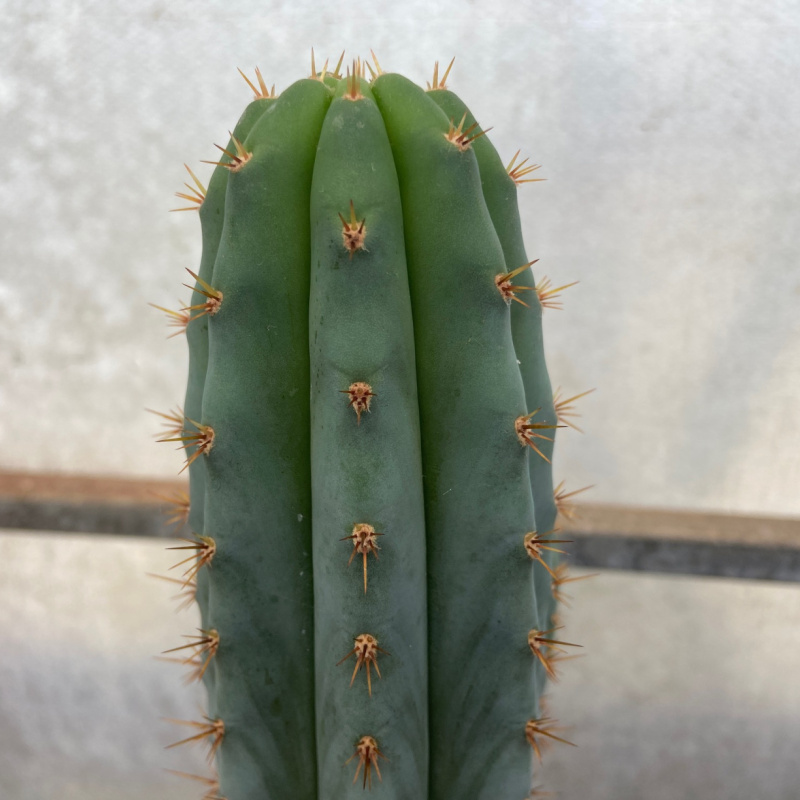
Trichocereus ‘J1’ 24cm Cutting

$26.40

Out of stock

Email when stock available

Out of stock

Description

This Trichocereus cutting is a clone of J1, an Australian clone originating from the Cactus Country Nursery, Strathmerton, VIC. The Js are name after and stand for the first name of the Nursery’s owner Jim Hall. According to Jim, the J1 clone was originally collected from a nearby farmhouse that had a small collection of large, old cacti. The area then underwent renovation, eliminating the cactus collection.

J1 is said to be a Trichocereus peruvianus hybrid. It looks like a typical peruvianus and if another species was involved in its parentage, then it is not obvious in the phenotype. Whatever its parentage, it’s an underrated cactus in our opinion that has been a reliable and consist parent in breeding programs.

A hybrid is formed when crossing two genetically different species with each other. Most hybrids are manmade however some are natural.

With cross pollination the mother plant is the first name, and the father plant is the second. The mother is the plant whose flower was pollenated, and the fruit ripens on, and the father is the pollen donor. When the crossing plants, in most cases, the resulting offspring comes closer to the mother than to the father.

However, there are a lot of exceptions to this and sometimes, the genes of the father are simply more dominant.


Your cutting needs to be callused before being ready for planting.

Leave to dry for several days prior to planting. Cactus species are among the easiest plants to root at home. The process works any time of year, but cactus cuttings potted in late summer to early autumn root fastest.

Fill an adequately sized pot with a half half mixture of high quality potting mix and perlite. The potting mix should consist of well composted pine bark and large particles, this ensures air flow to the roots and good drainage. Do not water until roots have formed.


  • Syn.

Echinopsis


  • Specifications.

Rootless Cutting


Ideal Growing Conditions.

Trichocereus cacti thrive in free draining soils and full sun. Overwatering or poor drainage can lead to root rot. Humidity is not ideal for these plants, ensure they are positioned in an airy position to avoid rot.

Pruning: Trichocereus cacti require very little pruning and generally maintain their form without intervention. Pruning is usually limited to removing damaged, diseased, frost-affected, or rotting stems to maintain plant health. Mature plants can be cut back to control height, encourage branching, or produce cuttings for propagation. When making cuts, use a clean, sharp blade and allow the cut surface to dry and callous completely before exposure to moisture. Any fallen or removed stem sections can often be rooted and grown into new plants. Routine pruning is not necessary, but occasional maintenance can help manage large specimens and promote vigorous growth.

Pests and Diseases: Managing Trichocereus pests requires prompt identification and specific treatments. Common invaders include mealybugs (cotton-like webs), scale (hard brown dots), spider mites (fine webbing), thrips (surface scarring), and fungus gnats (small flies attacking roots). Treat with insecticidal soap, Spinosad, or 70% isopropyl alcohol.

Soil: You need a high quality potting mix, not a pre-bagged product such as you find at Bunnings etc, try a landscaping place. However, as I am not local to you I still can’t say if they have good quality or not. You are looking for well composted pine bark and large particles. This ensures air flow to the roots and good drainage. Adding perlite (50/50 mix) can ensure good drainage and air flow if good potting mix is not available.

We recommend Yates Nutricote Standard Black 270 Day for a fertiliser, which can be found in our store, however any good quality slow release fertiliser will do. When time to re-pot, select a pot one size up ONLY and ensure it has many holes for good drainage.

Fertiliser: 

Yates Nutricote Standard Black 270 Day Controlled Release Fertiliser

The Plant Runner Indoor Plant Food


We cannot send plants to Western Australia & Tasmania due to restrictions.


We cannot ship this species Internationally.


We strongly recommended to select Express Post shipping for all plant orders to minimise the transit time.


Want to see more Trichocereus cuttings? Check these out

Trichocereus peruvianus ‘Red Spine #1’ Cutting
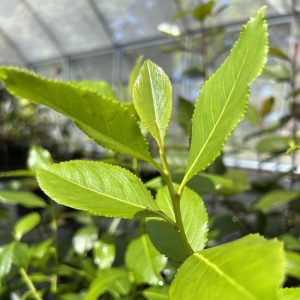
Trichocereus peruvianus ’86’ Cutting

Trichocereus peruvianus ‘Red Spine #2’ Cutting

Additional information

Weight 0.700 kg
Dimensions 27 × 8 × 8 cm

Reviews

There are no reviews yet

Be the first to review “Trichocereus ‘J1’ 24cm Cutting”

Your email address will not be published. Required fields are marked *

Description

This Trichocereus cutting is a clone of J1, an Australian clone originating from the Cactus Country Nursery, Strathmerton, VIC. The Js are name after and stand for the first name of the Nursery’s owner Jim Hall. According to Jim, the J1 clone was originally collected from a nearby farmhouse that had a small collection of large, old cacti. The area then underwent renovation, eliminating the cactus collection.

J1 is said to be a Trichocereus peruvianus hybrid. It looks like a typical peruvianus and if another species was involved in its parentage, then it is not obvious in the phenotype. Whatever its parentage, it’s an underrated cactus in our opinion that has been a reliable and consist parent in breeding programs.

A hybrid is formed when crossing two genetically different species with each other. Most hybrids are manmade however some are natural.

With cross pollination the mother plant is the first name, and the father plant is the second. The mother is the plant whose flower was pollenated, and the fruit ripens on, and the father is the pollen donor. When the crossing plants, in most cases, the resulting offspring comes closer to the mother than to the father.

However, there are a lot of exceptions to this and sometimes, the genes of the father are simply more dominant.


Your cutting needs to be callused before being ready for planting.

Leave to dry for several days prior to planting. Cactus species are among the easiest plants to root at home. The process works any time of year, but cactus cuttings potted in late summer to early autumn root fastest.

Fill an adequately sized pot with a half half mixture of high quality potting mix and perlite. The potting mix should consist of well composted pine bark and large particles, this ensures air flow to the roots and good drainage. Do not water until roots have formed.


  • Syn.

Echinopsis


  • Specifications.

Rootless Cutting


Ideal Growing Conditions.

Trichocereus cacti thrive in free draining soils and full sun. Overwatering or poor drainage can lead to root rot. Humidity is not ideal for these plants, ensure they are positioned in an airy position to avoid rot.

Pruning: Trichocereus cacti require very little pruning and generally maintain their form without intervention. Pruning is usually limited to removing damaged, diseased, frost-affected, or rotting stems to maintain plant health. Mature plants can be cut back to control height, encourage branching, or produce cuttings for propagation. When making cuts, use a clean, sharp blade and allow the cut surface to dry and callous completely before exposure to moisture. Any fallen or removed stem sections can often be rooted and grown into new plants. Routine pruning is not necessary, but occasional maintenance can help manage large specimens and promote vigorous growth.

Pests and Diseases: Managing Trichocereus pests requires prompt identification and specific treatments. Common invaders include mealybugs (cotton-like webs), scale (hard brown dots), spider mites (fine webbing), thrips (surface scarring), and fungus gnats (small flies attacking roots). Treat with insecticidal soap, Spinosad, or 70% isopropyl alcohol.

Soil: You need a high quality potting mix, not a pre-bagged product such as you find at Bunnings etc, try a landscaping place. However, as I am not local to you I still can’t say if they have good quality or not. You are looking for well composted pine bark and large particles. This ensures air flow to the roots and good drainage. Adding perlite (50/50 mix) can ensure good drainage and air flow if good potting mix is not available.

We recommend Yates Nutricote Standard Black 270 Day for a fertiliser, which can be found in our store, however any good quality slow release fertiliser will do. When time to re-pot, select a pot one size up ONLY and ensure it has many holes for good drainage.

Fertiliser: 

Yates Nutricote Standard Black 270 Day Controlled Release Fertiliser

The Plant Runner Indoor Plant Food


We cannot send plants to Western Australia & Tasmania due to restrictions.


We cannot ship this species Internationally.


We strongly recommended to select Express Post shipping for all plant orders to minimise the transit time.


Want to see more Trichocereus cuttings? Check these out

Trichocereus peruvianus ‘Red Spine #1’ Cutting
Trichocereus peruvianus ’86’ Cutting

Trichocereus peruvianus ‘Red Spine #2’ Cutting

Reviews

There are no reviews yet

Be the first to review “Trichocereus ‘J1’ 24cm Cutting”

Your email address will not be published. Required fields are marked *