

Description
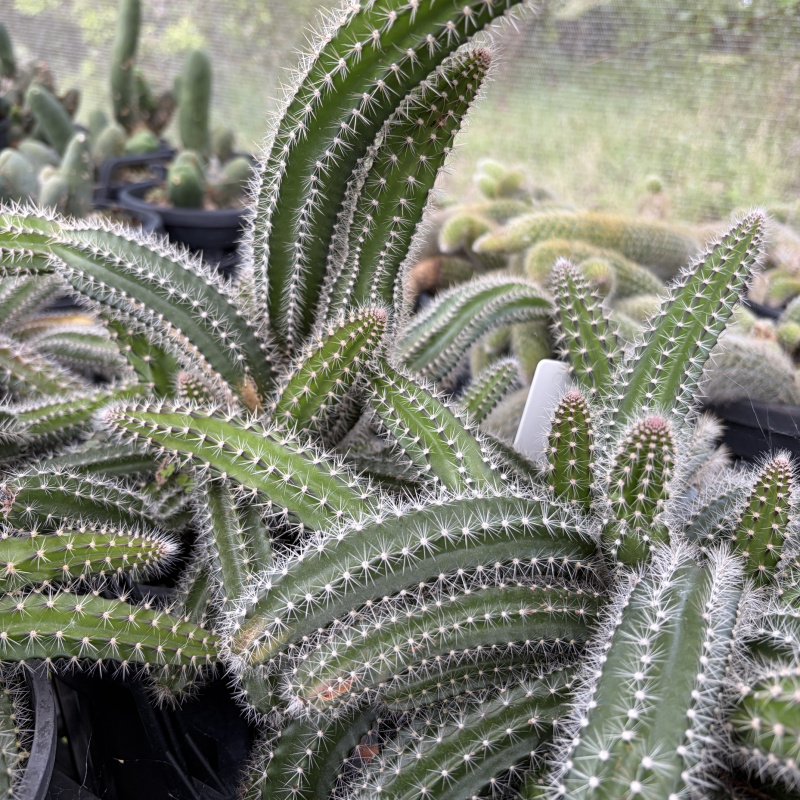
Selenicereus validus, commonly known as Moonlight Cactus, is a striking tropical climbing cactus prized for its vigorous growth and distinctive, sculptural appearance. Native to parts of Central America, this epiphytic or lithophytic cactus produces long, trailing or climbing stems that can develop into an impressive specimen when given suitable support.
The stems are typically angular and ribbed, with small clusters of spines along the margins. Like many members of the Selenicereus genus, it is a night-blooming cactus and can produce spectacular, large, fragrant flowers under favourable conditions. The combination of unusual foliage, vigorous growth and dramatic nocturnal flowers makes Selenicereus validus an excellent choice for collectors of unusual cacti and tropical plants.
- Specifications.
Rooted Cutting Grown Plant in 50mm Pot – Shipped Bare-Rooted
Or
Rootless Cutting – Approx. 20cm Length (See below for planting instructions)
Your cutting needs to be callused before being ready for planting.
Leave to dry for several days prior to planting. Cactus species are among the easiest plants to root at home. The process works any time of year, but cactus cuttings potted in late summer to early autumn root fastest.
Fill an adequately sized pot with a half half mixture of high quality potting mix and perlite. The potting mix should consist of well composted pine bark and large particles, this ensures air flow to the roots and good drainage. Do not water until roots have formed.
Ideal Growing Conditions.
Selenicereus validus thrives best in the light shade when young, then full sun is recommended when they are mature. They require bright light all year round with extra light in the early spring stimulating budding. It performs best in a warm, humid environment with bright, filtered light and a free-draining growing medium. Provide a trellis, stake or other support as the stems mature, or allow them to trail naturally from a hanging container. Protect from prolonged cold and waterlogged conditions.
Pruning: Selenicereus validus do not require routine pruning, if you have sufficient space and are happy to let the stems develop naturally then allow it to actively grow. However, it is a vigorous climber, so pruning can prevent it from becoming tangled or overwhelming its support. Use a clean, sharp pair of secateurs and allow cut surfaces to dry and callus before watering heavily.
Pests and Diseases: Selenicereus validus is generally pest resistant, but may occasionally be affected by mealybugs, scale, aphids and spider mites. The best protection is good growing conditions. Provide plenty of airflow, avoid overwatering, and use a free-draining growing medium. Regularly inspect the stems and joints, particularly on plants kept in greenhouses or among other container plants. Treat any infestations promptly with insecticidal soap, Eco Oil or Neem Oil
Soil: You need a high quality potting mix, not a pre-bagged product such as you find at Bunnings etc, try a landscaping place. However, as I am not local to you I still can’t say if they have good quality or not. You are looking for well composted pine bark and large particles. This ensures air flow to the roots and good drainage.
We recommend Yates Nutricote Standard Black 270 Day for a fertiliser, which can be found in our store, however any good quality slow release fertiliser will do. When time to re-pot, select a pot one size up ONLY and ensure it has many holes for good drainage.
Fertiliser:
Yates Nutricote Standard Black 270 Day Controlled Release Fertiliser
The Plant Runner Indoor Plant Food
We cannot send plants to Western Australia & Tasmania due to restrictions.
We strongly recommended to select Express Post shipping for all plant orders to minimise the transit time.
Interested in this product? Have a look at these
Cleistocactus colademononis (Monkey Tail Cactus) Plant
Selenicereus setaceus (Pineapple Cactus) Cutting


Reviews
There are no reviews yet