Shaman Australis Botanicals

Psychotria viridis (Chacruna) Seed

Price range: $4.90 through $16.90

Out of stock

Description

Psychotria viridis, commonly known as Chacruna, is a perennial shrub native to the Amazon rainforest, especially found in countries like Peru, Brazil, Colombia, and Bolivia. It belongs to the Rubiaceae family — the same plant family as coffee.

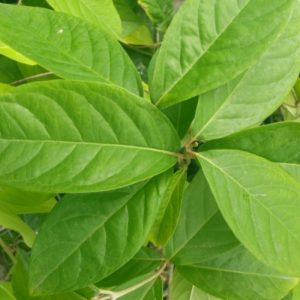
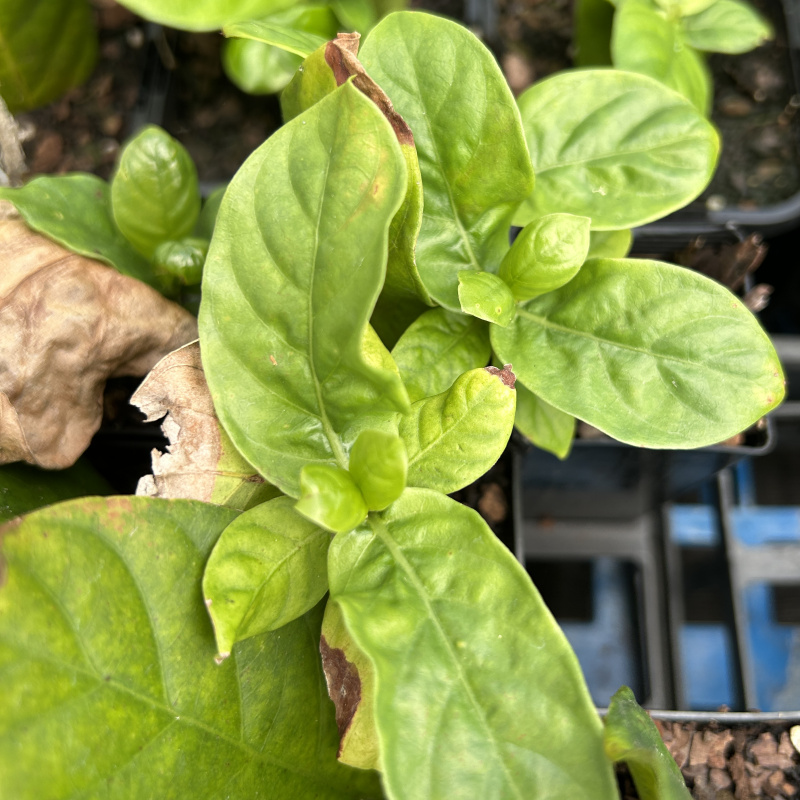
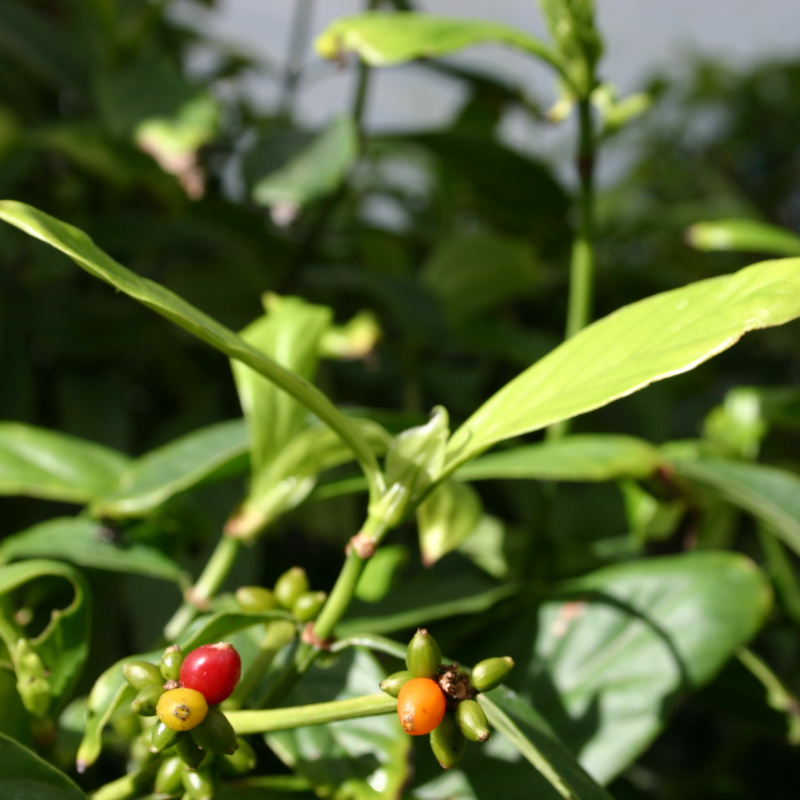
Chacruna is an evergreen tree, which grows to a height of 5m with a spread of 2m, but is usually kept smaller in cultivation. The stem is erect and branching, the leaves Broad, glossy, and dark green, with prominent veins. The flowers are pale green to white on long stalks; the fruit are red berries containing 1 or 2 small brown seed which are convex and grooved on one side, flat on the other.

Psychotria viridis prefers well composted rich soils in a protected partial shade to shady position. It thrives in warm, humid conditions. It is drought and frost tender, keep indoors or in a greenhouse if needed. Prefers sub-tropical to tropical climates (21-32°C). Prefers partial shade (dappled sunlight or 50-70% shade). Avoid direct sunlight, which can burn leaves. Keep soil consistently moist but not soggy. Leaves can be regularly misted to maintain high humidity (70-90%).

While most of the documentation available on Psychotria viridis is in relation to its use as a component of Ayahuasca brews, it is also a well regarded medicinal plant in its native area, one of its uses being as eyedrops for migraines.

The leaves of Psychotria viridis contain dimethyltryptamine (DMT), a powerful naturally occurring psychedelic compound. DMT is not orally active on its own, but when combined with Banisteriopsis caapi (a vine containing MAO inhibitors), it becomes the active visionary component of ayahuasca, a sacred brew used in Amazonian spiritual practices for healing, guidance, and insight.

Note: – DMT is a controlled substance in many countries, including Australia, the U.S., and most of Europe. While the plant itself is not regulated within Australia, its use, especially in ayahuasca, is subject to strict legal control.

Harvested annually from our own Psychotria viridis ‘Luna’ and ‘Shipibo’ plants. Since seed-grown plants do not come true to type, it would be misleading to distinguish between these two varieties for seed sales purposes.


Common Name: Chacrona; Tupamaqui; Yage; Cahua; Sami Ruca; Amiruca Panga; O-pri-to; Kawa; Rami Appane; Suija.


Germination Tips: Psychotria viridis seeds benefit from scarification first. Pour just boiled water over seeds and soak overnight. The swollen seeds can then be sown 2-5mm deep in quality free draining soil mix. Keep moist but not wet. Germination will occur in 2 – 6 months at a temperature of 24-30C. A heat mat may be required. Cover with a humidity dome or plastic bag to trap moisture.


Our Guarantee

We personally count every seed packet to ensure it contains at least the specified number of seeds. However, mistakes can happen, so please reach out if you notice any inconsistencies.

These seeds are believed to meet the standard viability percentage for their species, sourced either from our own SAB nursery or from reputable, trusted breeders.

Do not hesitate to contact us for up-to-date germination rates or for a germination test to be conducted.


Interested in Psychotria? These products might also interest you

Psychotria viridis cv. Shipibo (Chacruna) Plant

Psychotria viridis cv. Luna (Chacruna) Plant

Grafted Psychotria viridis ‘Luna’ (Chacruna) Plant


*Traditional uses and general information on products are provided for educational purposes only. We do not make any therapeutic claims. Nothing contained in this site is intended to be used as medical advice and it is not intended to be used to diagnose, treat, cure, or prevent any disease. Nor should it be used for therapeutic purposes or as a substitute for your own health professional’s advice.

Additional information

Weight 0.170 kg
Dimensions 15 × 6 × 6 cm
Amount

25 Seeds, 150 Seeds

Reviews

There are no reviews yet

Be the first to review “Psychotria viridis (Chacruna) Seed”

Your email address will not be published. Required fields are marked *

Description

Psychotria viridis, commonly known as Chacruna, is a perennial shrub native to the Amazon rainforest, especially found in countries like Peru, Brazil, Colombia, and Bolivia. It belongs to the Rubiaceae family — the same plant family as coffee.

Chacruna is an evergreen tree, which grows to a height of 5m with a spread of 2m, but is usually kept smaller in cultivation. The stem is erect and branching, the leaves Broad, glossy, and dark green, with prominent veins. The flowers are pale green to white on long stalks; the fruit are red berries containing 1 or 2 small brown seed which are convex and grooved on one side, flat on the other.

Psychotria viridis prefers well composted rich soils in a protected partial shade to shady position. It thrives in warm, humid conditions. It is drought and frost tender, keep indoors or in a greenhouse if needed. Prefers sub-tropical to tropical climates (21-32°C). Prefers partial shade (dappled sunlight or 50-70% shade). Avoid direct sunlight, which can burn leaves. Keep soil consistently moist but not soggy. Leaves can be regularly misted to maintain high humidity (70-90%).

While most of the documentation available on Psychotria viridis is in relation to its use as a component of Ayahuasca brews, it is also a well regarded medicinal plant in its native area, one of its uses being as eyedrops for migraines.

The leaves of Psychotria viridis contain dimethyltryptamine (DMT), a powerful naturally occurring psychedelic compound. DMT is not orally active on its own, but when combined with Banisteriopsis caapi (a vine containing MAO inhibitors), it becomes the active visionary component of ayahuasca, a sacred brew used in Amazonian spiritual practices for healing, guidance, and insight.

Note: – DMT is a controlled substance in many countries, including Australia, the U.S., and most of Europe. While the plant itself is not regulated within Australia, its use, especially in ayahuasca, is subject to strict legal control.

Harvested annually from our own Psychotria viridis ‘Luna’ and ‘Shipibo’ plants. Since seed-grown plants do not come true to type, it would be misleading to distinguish between these two varieties for seed sales purposes.


Common Name: Chacrona; Tupamaqui; Yage; Cahua; Sami Ruca; Amiruca Panga; O-pri-to; Kawa; Rami Appane; Suija.


Germination Tips: Psychotria viridis seeds benefit from scarification first. Pour just boiled water over seeds and soak overnight. The swollen seeds can then be sown 2-5mm deep in quality free draining soil mix. Keep moist but not wet. Germination will occur in 2 – 6 months at a temperature of 24-30C. A heat mat may be required. Cover with a humidity dome or plastic bag to trap moisture.


Our Guarantee

We personally count every seed packet to ensure it contains at least the specified number of seeds. However, mistakes can happen, so please reach out if you notice any inconsistencies.

These seeds are believed to meet the standard viability percentage for their species, sourced either from our own SAB nursery or from reputable, trusted breeders.

Do not hesitate to contact us for up-to-date germination rates or for a germination test to be conducted.


Interested in Psychotria? These products might also interest you

Psychotria viridis cv. Shipibo (Chacruna) Plant

Psychotria viridis cv. Luna (Chacruna) Plant

Grafted Psychotria viridis ‘Luna’ (Chacruna) Plant


*Traditional uses and general information on products are provided for educational purposes only. We do not make any therapeutic claims. Nothing contained in this site is intended to be used as medical advice and it is not intended to be used to diagnose, treat, cure, or prevent any disease. Nor should it be used for therapeutic purposes or as a substitute for your own health professional’s advice.

Reviews

There are no reviews yet

Be the first to review “Psychotria viridis (Chacruna) Seed”

Your email address will not be published. Required fields are marked *