
Description
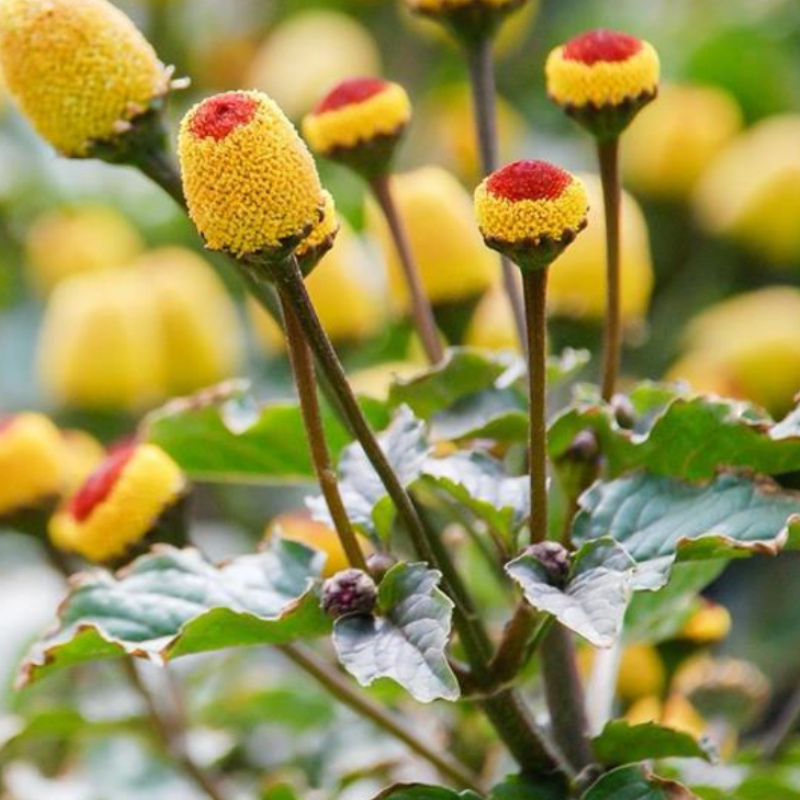
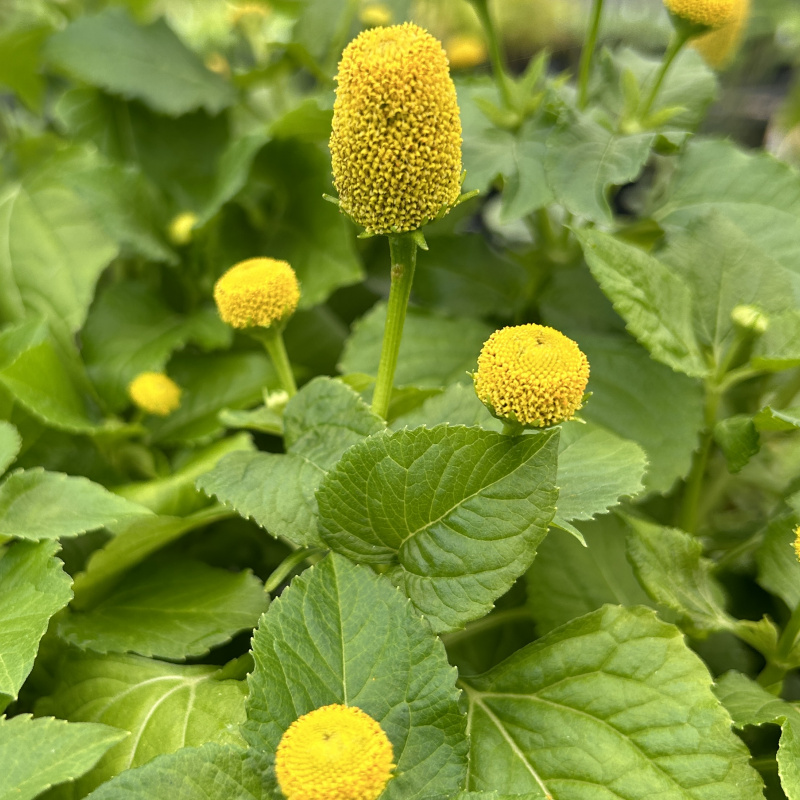
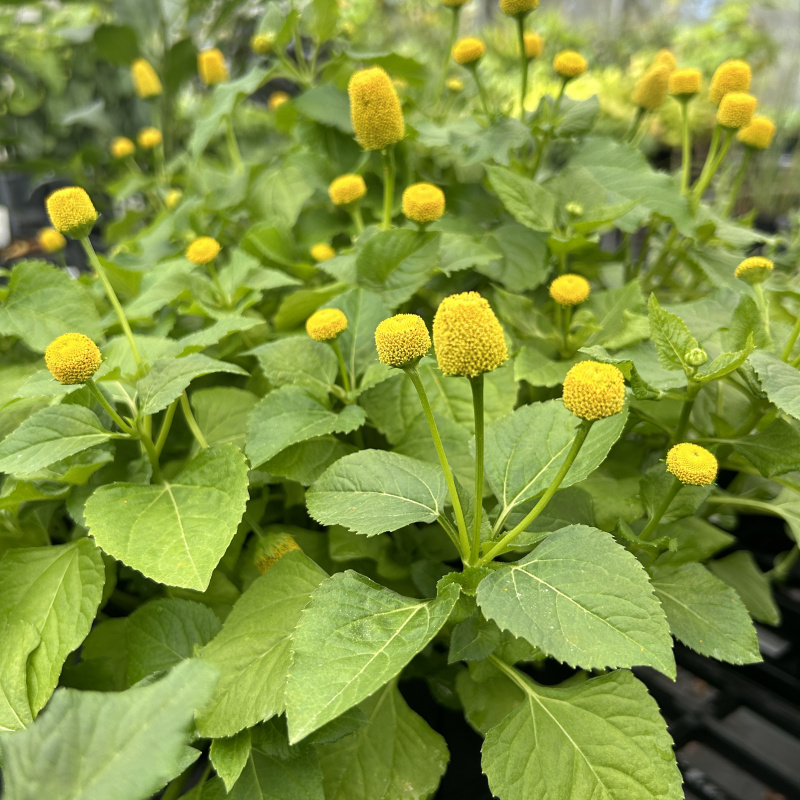
Acmella oleracea, known as Toothache Plant, is a small, erect, flowering herb native to South America. Acmella oleracea has bright green leaves and produces distinctive yellow and red inflorescences that resemble buttons. The plant typically grows to a height of about 30-60 cm. Due to its attractive appearance, it can be used as an ornamental plant in gardens.
The plant is well-known for its analgesic properties. It has been traditionally used to relieve toothaches and other types of pain, earning it the name “toothache plant.” In some cultures, the leaves and flowers are used in salads or as a spice. They have a unique, slightly numbing taste that can add an interesting dimension to dishes.
The primary active compound in Acmella oleracea is spilanthol, which is responsible for its numbing effect and is thought to have anti-inflammatory and antimicrobial properties. In traditional medicine, extracts from the plant are used to treat various ailments, including dental issues, sore throats, and digestive problems. Modern studies are investigating its potential benefits for oral health, pain relief, and its role as a natural pesticide.
Both the leaves and flowers of Acmella oleracea plants contain spilanthol, used ease toothaches hence the name. An extract made from this plant is considered a natural alternative to Botox. Applied topically, it reportedly reduces muscle tension, reducing facial wrinkles caused by tense or contracted facial muscles.
- Common Name.
Eyeball Plant; Para Cress; Electric Daisy; Peek-a-Boo Plant; Buzz Buttons.
- Botanical Synonym.
Spilanthes acmella; Spilanthes oleracea.
- Specifications.
50mm Pot Size
Seed Grown Plant
Ideal Growing Conditions.
Acmella oleracea thrives in warm, tropical climates but can be grown as an annual in temperate regions. It prefers well-drained soil and requires regular watering to maintain its growth. The plant grows best in full sun but can tolerate partial shade.
Pruning: Regularly pinch or trim back the growing tips to encourage bushier growth. Remove spent flowers to prolong blooming.
Pests and Diseases: Acmella oleracea are generally hardy but can attract aphids, whiteflies, or caterpillars. Treat infestations promptly with insecticidal soap, Eco Oil or Neem Oil
Soil: You need a high quality potting mix, not a pre-bagged product such as you find at Bunnings etc, try a landscaping place. However, as I am not local to you I still can’t say if they have good quality or not. You are looking for well composted pine bark and large particles. This ensures air flow to the roots and good drainage. When time to re-pot, select a pot one size up ONLY and ensure it has many holes for good drainage.
Fertiliser: We recommend and use Yates Nutricote Standard Black 270 Day Controlled Release Fertiliser however any good quality slow release fertiliser will do. We also stock an Australian Made liquid indoor fertiliser The Plant Runner Indoor Plant Food which is easy to use and odourless.
We cannot send plants to Western Australia & Tasmania due to restrictions.
We strongly recommended to select Express Post shipping for all plant orders to minimise the transit time.
Interested in other medicinal species? Check these products out
Albizia julibrissin (Silk Tree) Plant
Leonotis leonurus f. orange (Lion’s Tail) Plant
Celastrus paniculatus (Intellect Tree) Plant


Reviews
There are no reviews yet