Shaman Australis Botanicals

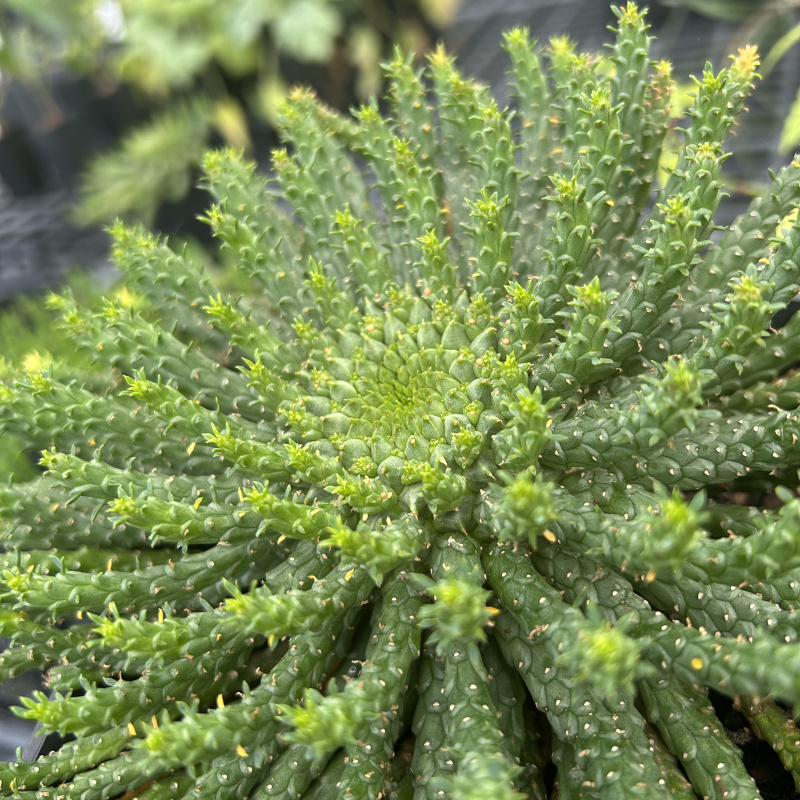
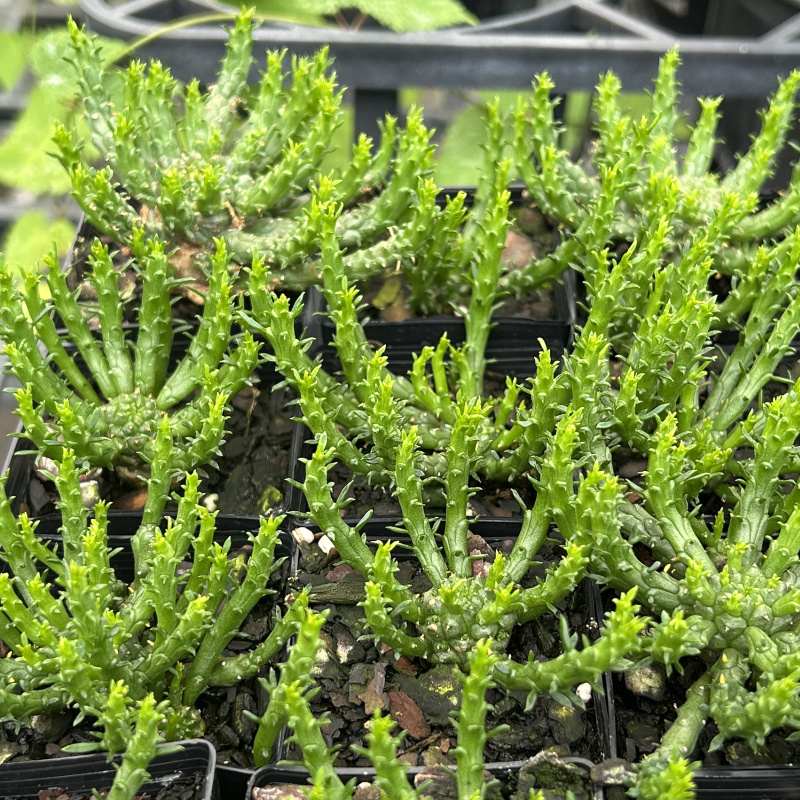
Euphorbia caput-medusae (Medusa’s Head) Plant

$7.90

6 in stock

6 in stock

Description

Euphorbia caput-medusae, commonly known as Medusa’s Head, is a striking succulent species native to South Africa. It is named for its unusual growth form, which resembles a mass of twisting snake-like arms radiating from a central, swollen caudex—much like the mythical head of Medusa. This low-growing plant spreads outward rather than upward, forming a dense, sculptural mat that makes it highly prized in succulent and xeriscape gardens.

Euphorbia caput-medusae is relatively low maintenance but should be handled with caution, as its milky latex sap is toxic and can cause skin and eye irritation. It performs well in pots or rock gardens and is well suited to warm, dry climates. With its unique form and resilience, this Euphorbia is both a conversation piece and a hardy ornamental plant for collectors and enthusiasts alike.


  • Specifications.

50mm Pot Size
Divided Plant


Ideal Growing Conditions.

The Medusa plant thrives in full sun to bright light and prefers well-drained, sandy or gritty soil. Like most Euphorbia species, it is drought-tolerant and requires only occasional watering, with care taken to avoid overwatering, especially during cooler months. Small yellow-green flowers (cyathia) appear near the centre of the plant, usually in late winter to spring, adding subtle seasonal interest.

Soil: You need a high quality potting mix, not a pre-bagged product such as you find at Bunnings etc, try a landscaping place. However, as I am not local to you I still can’t say if they have good quality or not. You are looking for well composted pine bark and large particles. This ensures air flow to the roots and good drainage.

We recommend Yates Nutricote Standard Black 270 Day for a fertiliser, which can be found in our store, however any good quality slow release fertiliser will do. When time to re-pot, select a pot one size up ONLY and ensure it has many holes for good drainage.

Fertiliser: 

Yates Nutricote Standard Black 270 Day Controlled Release Fertiliser

The Plant Runner Indoor Plant Food


We cannot send plants to Western Australia & Tasmania due to restrictions.


We strongly recommended to select Express Post shipping for all plant orders to minimise the transit time.


Interested in this species? Have a look at these

Agave parryi (Mescal Agave) Plant

Agave parrasana (Cabbage Head Agave) Plant

Selenicereus setaceus (Pineapple Cactus) Cutting


*Traditional uses and general information on products are provided for educational purposes only. We do not make any therapeutic claims. Nothing contained in this site is intended to be used as medical advice and it is not intended to be used to diagnose, treat, cure, or prevent any disease. Nor should it be used for therapeutic purposes or as a substitute for your own health professional’s advice.

Additional information

Weight 0.170 kg
Dimensions 15 × 6 × 6 cm

Reviews

There are no reviews yet

Be the first to review “Euphorbia caput-medusae (Medusa’s Head) Plant”

Your email address will not be published. Required fields are marked *

Description

Euphorbia caput-medusae, commonly known as Medusa’s Head, is a striking succulent species native to South Africa. It is named for its unusual growth form, which resembles a mass of twisting snake-like arms radiating from a central, swollen caudex—much like the mythical head of Medusa. This low-growing plant spreads outward rather than upward, forming a dense, sculptural mat that makes it highly prized in succulent and xeriscape gardens.

Euphorbia caput-medusae is relatively low maintenance but should be handled with caution, as its milky latex sap is toxic and can cause skin and eye irritation. It performs well in pots or rock gardens and is well suited to warm, dry climates. With its unique form and resilience, this Euphorbia is both a conversation piece and a hardy ornamental plant for collectors and enthusiasts alike.


  • Specifications.

50mm Pot Size
Divided Plant


Ideal Growing Conditions.

The Medusa plant thrives in full sun to bright light and prefers well-drained, sandy or gritty soil. Like most Euphorbia species, it is drought-tolerant and requires only occasional watering, with care taken to avoid overwatering, especially during cooler months. Small yellow-green flowers (cyathia) appear near the centre of the plant, usually in late winter to spring, adding subtle seasonal interest.

Soil: You need a high quality potting mix, not a pre-bagged product such as you find at Bunnings etc, try a landscaping place. However, as I am not local to you I still can’t say if they have good quality or not. You are looking for well composted pine bark and large particles. This ensures air flow to the roots and good drainage.

We recommend Yates Nutricote Standard Black 270 Day for a fertiliser, which can be found in our store, however any good quality slow release fertiliser will do. When time to re-pot, select a pot one size up ONLY and ensure it has many holes for good drainage.

Fertiliser: 

Yates Nutricote Standard Black 270 Day Controlled Release Fertiliser

The Plant Runner Indoor Plant Food


We cannot send plants to Western Australia & Tasmania due to restrictions.


We strongly recommended to select Express Post shipping for all plant orders to minimise the transit time.


Interested in this species? Have a look at these

Agave parryi (Mescal Agave) Plant

Agave parrasana (Cabbage Head Agave) Plant

Selenicereus setaceus (Pineapple Cactus) Cutting


*Traditional uses and general information on products are provided for educational purposes only. We do not make any therapeutic claims. Nothing contained in this site is intended to be used as medical advice and it is not intended to be used to diagnose, treat, cure, or prevent any disease. Nor should it be used for therapeutic purposes or as a substitute for your own health professional’s advice.

Reviews

There are no reviews yet

Be the first to review “Euphorbia caput-medusae (Medusa’s Head) Plant”

Your email address will not be published. Required fields are marked *

Hello Clever
Show popup again